Fusty by Friday? A Deptford Reality Check for the Clean Laundry Pile
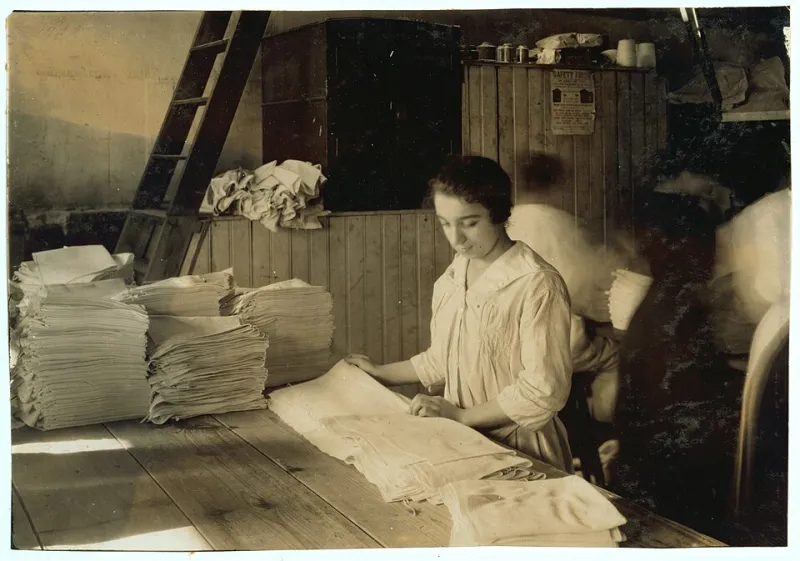
Photo: Hine, Lewis Wickes; National Child Labor Committee Collection, Public domain, via Wikimedia Commons
Clean laundry is not a museum exhibit. It is a soft little ecosystem of fibres, air and whatever else is drifting around your flat. In Deptford, where plenty of us are dealing with sash windows, shared drying spaces, under-bed boxes and a bathroom that never quite dries out, the gap between fresh and fusty can be shorter than the detergent bottle implies.
So how long can a folded pile sit before it needs a refresh? Annoyingly, there is no single answer. Towels, shirts and knits all run on different clocks. Storage matters just as much as time. And a pile folded while still faintly warm is not the same as one that went away bone-dry.
The clean window is a range, not a rule
A clean towel in a dry airing cupboard can sit for a week or two and still feel fresh. The same towel folded into a damp bathroom pile may start to smell within a couple of days. Shirts are happier hanging than squashed into a drawer, and knits can go weeks without needing a wash if they are aired and stored properly.
As a rough guide for a dry, ventilated flat:
- Towels: one to two weeks in a dry cupboard, but only a few days in a steamy bathroom. If they were folded warm or slightly damp, treat them as urgent.
- Shirts: about a week hanging in open air; nearer four to six days folded in a drawer. A worn-once shirt often just needs a night on a hanger, not a full wash.
- Knits: two to three weeks in a dry drawer is realistic. Wool and cotton jumpers benefit from airing between wears and should not be washed after every outing.
- Bedding: a week or two if fully dry and stored loosely. Pressed into a damp ottoman or a cold spare-room cupboard, the clock speeds up.
The key phrase is fully dry. Not dry-ish. Not warm and dry at the edges. Clean laundry that goes into storage with a whisper of moisture is basically being marinated.
Deptford damp is the hidden variable
In a Victorian conversion, a flat above a shop or a new-build with the extractor fan that sounds like a bee in a jar, moisture has a habit of hanging around. Cooking, showering, drying clothes indoors and simply breathing all add water to the air. If your storage is a wardrobe against a cold external wall, a drawer under the bed or a stack of boxes in the corner, your clean pile is sitting in that atmosphere.
Cramped storage makes it worse. Laundry needs a little room to breathe. A drawer packed tight with T-shirts feels efficient until you pull out the bottom layer and get a faint whiff of old cellar. Towels stored in the bathroom are especially vulnerable. However clean they were when they went in, they are now living in the dampest room in the house.
This time of year is particularly testing. The heating goes on, windows stay shut, and drying indoors becomes a daily negotiation with the airer. A pile that would have been fine in June can turn clammy by November without doing anything obviously wrong.
The re-wear, air or rewash test
Before you condemn a whole pile to the wash basket, or persuade yourself that a questionable shirt is fine, use a simple three-step check.
First, the nose test. Smell the seams, the underarms and the middle of the folded stack. If it smells like clean cotton, good. If it smells like a cupboard, a gym bag or last night's cooking, it needs attention.
Second, the drape test. Hold the item up and give it a little shake. Does it feel dry and light, or slightly cool and heavy? A towel that feels even a touch damp should not go back in the cupboard.
Third, the re-wear question. If an item has been worn once and passed the nose and drape tests, air it overnight near an open window or in a well-ventilated room. If it still smells or feels dull, rewash it. Do not spray it with something perfumed and call it a day. Masking a smell is not the same as removing it.
A useful rule: if you would not hand it to a friend, do not hand it to your skin.
When coaxing another day is a false economy
There is a point where airing stops working. If the pile has gone cold-damp, if towels smell sour even after a day on the airer, or if shirts come out of the drawer creased and faintly stale, a proper reset makes more sense than another round of hopeful hanging.
That is especially true for bulky things. Duvets, bath sheets and winter bedding are awkward to wash and slow to dry in a flat. In a small Deptford space, the cost of coaxing them through another week is often a damp bathroom, a blocked airer and a lingering smell. A wash-and-fold drop-off is the practical answer: get everything properly washed, dried and folded, then store it somewhere with a bit of air around it.
At our counter on Deptford High Street, we see plenty of clean-looking piles that have simply been stored too damp or too tight. It is not a moral failing. It is what happens when life meets British weather and a one-bedroom flat.
A small routine that keeps the pile fresher
Let items cool and dry completely before folding. Leave a little breathing room in drawers. Keep towels out of the bathroom if you can. Rotate the pile so the oldest things get used first. Open a window for ten minutes after cooking or showering, even when it is cold. And if a pile has crossed from fresh to doubtful, deal with it before it contaminates the rest.
Clean laundry is a lovely thing, but it is not indefinitely clean. A bit of judgement, a quick sniff and the occasional wash-and-fold reset will keep your shelves and your flat feeling fresher.