Wool, Wadding and Weatherproofs: A November Outerwear Wash Plan for Deptford Flats
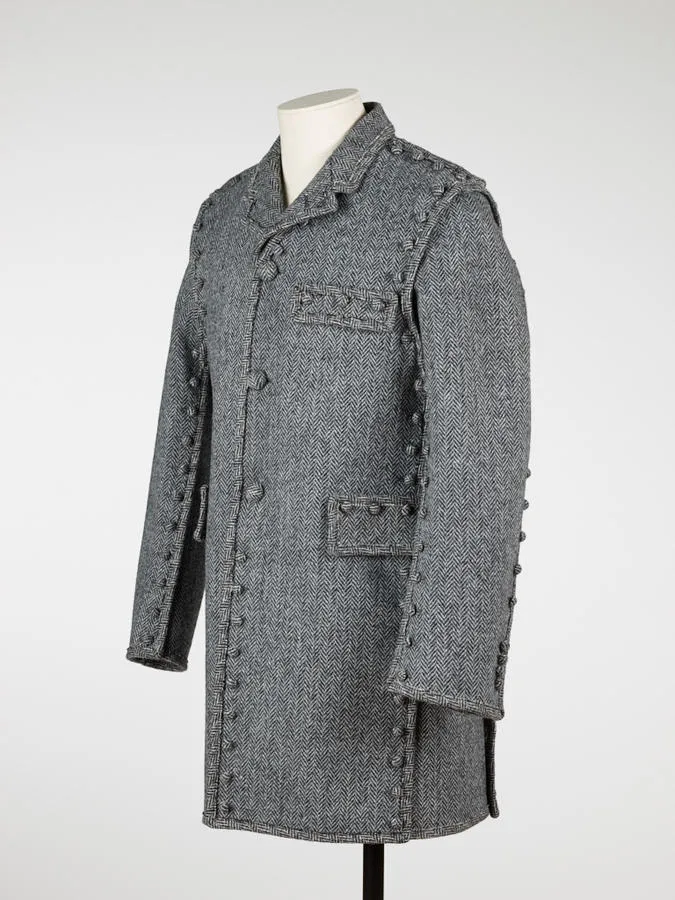
Photo: Staff photographer, Rhode Island School of Design Museum of Art, CC0, via Wikimedia Commons
The first proper cold snap has arrived, and with it the annual parade of winter coats that need attention. Some have been in the back of the wardrobe since March. Some have been worn every day since October. Some are wool, some are padded, some claim to be waterproof and some have a label so faded it could say anything. At the counter, this is the time of year when people hold up a jacket and ask the same hopeful question: can this go in the wash-and-fold bag?
The honest answer is: sometimes yes, sometimes no, and quite often the deciding factor is not the washing at all. It is the drying. Deptford flats are not famous for spare airing space, and November air is not famous for being helpful. So here is a practical guide to the outerwear that causes the most head-scratching, written from the perspective of a counter that has seen a few damp shoulders in its time.
Start With the Label, Then Use Your Eyes
Before you think about wash-and-fold, check the care label. If it says dry clean only, believe it. If it says machine washable, that is a good start, but it is not the whole story. Look at the construction too. A simple wool blend jumper is one thing. A structured wool coat with padded shoulders, a viscose lining and a belt is another. The label tells you what the fabric can handle; the shape tells you what the garment can survive.
Pockets matter as well. Tissues, receipts, bus passes and the occasional forgotten mint all turn into a paste in the wash. Empty them. Zip up zips. Fasten buttons. Remove faux fur trims and belts if they are detachable. Small habits save big regrets.
Wool Coats: When Wash-and-Fold Is Fine, When It Is Not
Wool is where most people get nervous, and rightly so. A washable wool coat or a soft wool blend can sometimes go through a gentle wash-and-fold process, especially if it is unlined or lightly lined. But structured coats, tailored shoulders, leather trim, suede panels and dry-clean-only linings should go to a specialist cleaner. This is not us being fussy. It is the difference between a coat that keeps its shape and a coat that comes back looking like it has given up.
If you are unsure, bring it in and let us look. We would rather tell you to take it to a specialist than watch a good coat lose its structure in a wash drum. For genuinely washable wool, the key is a cool, gentle process and careful drying. Do not hang a heavy wet coat by its shoulders and hope for the best. It will stretch. Lay it flat or use a proper drying space.
Puffers and Padded Jackets: The Drying Problem
Padded jackets are usually more straightforward than people expect, especially the synthetic-fill ones. They can often be washed, but they need room to dry and they need time. If the filling clumps, the jacket loses its warmth and its shape. Down-filled jackets need even more patience: low heat, gentle movement and something to break up the clumps as they dry.
This is where the Deptford flat becomes the real issue. A padded jacket takes up space. It needs air around it. It cannot be crammed onto a radiator or left in a damp bathroom. If you have a spare room and a dehumidifier, you may be fine. If your drying arrangement is a clothes horse in the hallway and a window that does not open properly, wash-and-fold with proper drying space is the kinder option.
Waterproof Shells: Nice Jacket, Sad Finish
A waterproof shell is not usually ruined by washing. It is often ruined by the wrong washing. Normal detergent can leave a residue that attracts water, and fabric softener is best kept well away. If the jacket has a durable water repellent finish, the surface may stop beading and start soaking up water instead. That does not always mean the jacket is finished. It often means the finish needs restoring.
How do you spot it? Water no longer beads on the surface. The fabric looks darker and wetter than it should. The jacket feels clammy inside. If that is happening, a proper technical wash and reproofing treatment can bring it back. If you are not sure, bring it to the counter and ask. We can tell you whether it looks like a washing job, a reproofing job or a specialist job.
Bulky Jumpers and the Damp-Air Test
Chunky jumpers, cable knits and oversized cardigans are the quiet workhorses of a Deptford winter. Many are washable, but they are heavy when wet and they take ages to dry. Acrylic jumpers dry faster. Cotton takes longer. Wool needs care. A damp November flat is not an ideal drying environment for any of them.
Here is a simple test: if you cannot give it proper air and space, do not wash it on a whim. A jumper that dries slowly in a cold room can end up smelling faintly of damp, and no one wants to start the day in a jumper that smells like a swimming pool. Wash-and-fold gives you the wash and the drying space in one go.
The Deptford Drying Factor
This is the part that matters most. Washing is only half the job. In a flat with limited space and November air that never quite feels dry, the drying is the real decision. Coats need room. Puffers need movement. Wool needs patience. Waterproofs need a gentle process and a proper finish. None of that is impossible at home, but it is easier when you have the space.
If you are short on airing space, do not force it. Bring the item in. Tell us what it is, what the label says and what you are worried about. We will give you a straight answer. Sometimes that answer is yes, pop it in the wash-and-fold bag. Sometimes it is take it to a specialist. Either way, you will know before you commit.
A Quick Counter Checklist
- Empty pockets and remove detachable trims.
- Zip up zips and fasten buttons.
- Check the care label, especially for wool and down.
- Separate waterproof shells from ordinary washing.
- Tell us if a jacket is down-filled or has a water-repellent finish.
- Point out stains before they go in, not after.
- If it is structured, leather, suede or dry-clean-only, ask first.
Winter outerwear is not meant to be frightening. Most of it is more robust than the label makes it sound, and a few pieces genuinely do need specialist care. The trick is knowing which is which, and being honest about drying space. That is what we are here for. Bring your coat in, give us a look, and we will help you work out the sensible next step.