Chalk in the Tap, Stiff in the Towel: A Hard-Water Laundry Guide for Deptford
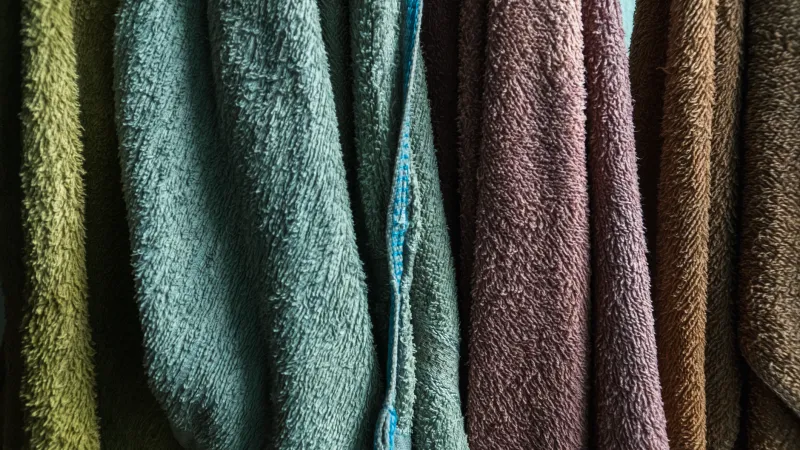
Deptford sits in one of the harder water areas of the UK. You can see it in the kettle, the shower screen and the white crust around the tap. You can also feel it in the wash: towels that come out like cardboard, whites that look slightly tired, and a detergent drawer that seems to collect a grey sludge no matter how often you clean it.
Hard water is not a crisis. It is a fact of London life, like busy buses and flats that are always a few degrees warmer than the street. But it does change how laundry behaves, and a few small adjustments can make a genuine difference.
What hard water is actually doing to your wash
Hard water contains dissolved calcium and magnesium. Those minerals are harmless to drink, but they interfere with the way detergent works. A portion of your washing powder or liquid binds to the minerals instead of to the dirt, which is why hard-water washes can feel underwhelming even when you have used a decent dose.
The visible results are familiar: soap scum in the drum, a dulling film on dark clothes, stiff towels, and whites that drift towards grey rather than staying crisp. Over time, the same minerals form scale inside the machine, around the heating element and in the pipes. That does not mean your washing machine is about to expire, but it does mean hard water is doing a bit of quiet extra work behind the scenes.
The myths that cost you money
The first myth is that more detergent solves hard water. It does not. Overdosing can leave residue in the drum, on the clothes and in the detergent drawer. That residue attracts dirt, can irritate skin and makes towels feel rougher, not softer. Use the dose recommended for hard water on the pack, and resist the urge to fill the cap to the top.
The second myth is that vinegar is a universal fix. A small amount in a rinse cycle can help with some odours and residue, but it is not a magic water softener. Used too often or in too strong a concentration, it can degrade rubber seals and hoses. Never mix it with bleach.
The third myth is that a hotter wash always means a cleaner wash. Hot water can set protein stains such as blood or egg, and it uses more energy. For everyday Deptford laundry, a well-dosed 30°C or 40°C cycle is usually the sensible starting point. Save the hotter cycles for towels, bedding and maintenance washes.
Small adjustments that make a real difference
Start with the dose. Check the detergent pack for hard-water guidance and use that as your baseline. If you have a very small drum or a lightly soiled load, reduce it slightly. If you have a large load, bulky items or visible soiling, follow the higher end of the recommendation.
Use oxygen-based bleach for whites rather than chlorine bleach. Oxygen bleach is gentler on fabrics and works well at lower temperatures. For towels that have gone stiff, try washing at 40°C with a normal dose of detergent, an extra rinse, and less fabric softener. Softener can coat the fibres and actually reduce absorbency over time.
Clean the machine itself. Wipe the door seal, pull out and rinse the detergent drawer, and check the filter if your machine has one. Once a month, run a hot maintenance wash with a proprietary washing machine cleaner or citric acid if your manual allows it. This helps shift scale and detergent residue before it becomes a smell.
Do not overload. Hard water already makes rinsing less efficient, and a crammed drum gives the machine less room to work. Towels and bedding need space to move. If you can see the back of the drum, you are probably in the right zone.
White marks, grey whites and the towel problem
White streaks on dark clothes are usually undissolved detergent or softener, not hard water alone. Try using less product, choosing a liquid or powder that dissolves well at your usual temperature, and avoiding the fabric softener compartment if you are already using a combined detergent.
Grey whites often come from a combination of hard water, overwashing at low temperatures and detergent residue. A monthly oxygen-bleach wash for whites can help, along with making sure your machine is not packed too full. If your whites have been washed repeatedly at 30°C with a heavy dose of liquid detergent, a reset wash is often more useful than buying a specialist product.
Stiff towels are usually a drying and softener issue as much as a water issue. Give them a good shake before hanging, dry them in a well-ventilated space, and avoid overusing softener. If you have no outdoor drying space, a heated airer or dehumidifier can help, but do not dry towels in a sealed room without ventilation.
When a service wash is the sensible shortcut
Some laundry jobs are simply harder in a small flat with hard water and no drying space. Duvets, winter bedding, bulky bath mats and large towel loads can overwhelm a domestic machine. If your machine is already scaled, slow to drain or smelling slightly musty, adding a giant duvet to the mix is not kind to it.
A local wash-and-fold drop-off can be the practical option when you need bedding back dry and folded, when your own machine is struggling, or when the drying rack has taken over the flat for the third day running. It is not an admission of defeat. It is a way of matching the job to the equipment.
A simple Deptford wash-day checklist
- Dose for hard water, then check whether you can use slightly less.
- Wash everyday clothes at 30°C or 40°C, not automatically at 60°C.
- Use oxygen bleach for whites instead of chlorine bleach.
- Skip fabric softener on towels and use less on everything else.
- Clean the drawer, seal and filter regularly.
- Run a monthly maintenance wash.
- Keep bulky bedding and duvets for a service wash if your machine or drying space is marginal.
Hard water is part of living here, but it does not have to define your laundry. A bit less detergent, a bit more machine care and a realistic view of what your flat can dry will get you softer towels and cleaner whites without turning wash day into a project.